Cash Sweepstakes: Find Legitimate Cash Prize Drawings
Looking for cash sweepstakes? Learn where to find legitimate cash prize drawings, how to enter, spot scams and read official rules before you play.
Cash sweepstakes are among the most popular prize drawings in the United States, and for good reason: money is flexible, easy to understand and useful to almost everyone. But the category also attracts scammers, so it pays to know what a real offer looks like. This guide explains what to expect, where cash giveaways come from, how to enter correctly, and how to recognize serious sponsors. Below you will find a live, daily updated list of cash-related contests, each checked on the organiser's official page. You always enter directly with the sponsor, never through us. Read on for practical tips that save time and keep your data safe.
Open Win cash
- ENTER TO WIN A $1,000 MACY'S SHOPPING SPREE – Strike Ten Entertainment
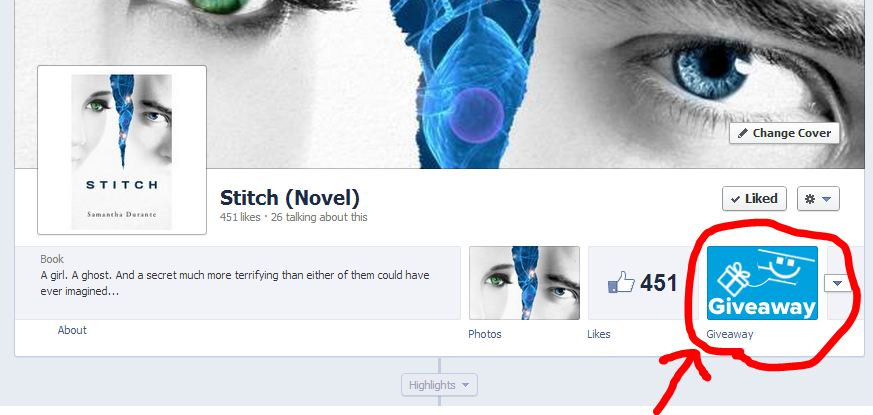
- Win $50 Amazon Giftcard – Samantha Durante
- Ramsey Cash Giveaway – Ramsey Solutions, ends 20.12.2026
- 2026 TRD Pro Tundra & Can-Am Maverick XRS +$50,000 CASH – Forged4x4
- $50,000 wedding giveaway – Sola Wood Flowers, ends 08.11.2026
As of 04.11.2026 – we update this list daily. See all open sweepstakes →
What to expect from cash sweepstakes
A cash sweepstakes offers money as the main prize, either as a single lump sum or as several smaller awards. Some sponsors pay by check, others by direct deposit, PayPal or a prepaid card. Always look at how the prize is delivered, because that affects how fast you receive it.
Prize sizes vary widely. Small drawings may award a few hundred dollars, while larger promotions run into the tens of thousands. Bigger prizes usually attract far more entrants, so your odds are generally lower. Odds depend on the number of eligible entries, and the official rules often state the approximate odds or explain how winners are chosen.
Many cash giveaways are also bundled with other prizes, such as a vehicle plus a cash bonus, or a gift card instead of money. Gift cards behave like cash in daily life but are not the same thing, so check the exact wording.
- Prizes may be taxable income; ask a tax advisor about your situation.
- Large prizes often require an affidavit of eligibility.
- Winners are usually notified by email, so check your spam folder.
No sweepstakes can promise a win. Treat entering as a low-cost hobby, not as income.
Where to find cash sweepstakes
Legitimate cash drawings come from several kinds of sponsors: well-known brands, financial education companies, retailers, media outlets, nonprofits and small businesses promoting a launch. The easiest way to avoid hunting across dozens of sites is to use a curated directory. Our page on winning money in the USA collects cash prizes, and the full sweepstakes overview shows everything currently open.
Other places worth checking include the official social media pages of brands you already like, the promotions section of a company's website and the newsletters of organisations you trust. Be careful with links shared in comments or private messages, since fake accounts often imitate real brands.
If you want to stay ahead, browse the newest sweepstakes regularly. Early entries cost you nothing extra, and you avoid missing short promotions. You can also look at sweepstakes ending soon when you have a few spare minutes and want to use deadlines wisely.
Whatever the source, always confirm the contest on the sponsor's own website before entering any personal details.
How to enter step by step
Entering is usually quick, but a careful routine prevents mistakes that can disqualify you.
- Open the official page. Use the sponsor's own entry form, not a copy on a third-party site.
- Read the official rules. Check eligibility by state, minimum age, entry period and how many entries are allowed.
- Fill in accurate details. Use your real name and a working email address, since winners are verified.
- Complete any bonus actions only if you want to. Following a social account or sharing a post may add entries, but a real sweepstakes never requires a purchase.
- Save a confirmation. Keep the email or a screenshot with the end date.
Many sweepstakes allow one entry per person, while others let you enter daily. Do not use multiple email addresses or automated tools to cheat; this violates most rules and can void your entries.
If you prefer to avoid marketing mail, look at sweepstakes without a newsletter, and use a separate email address for contests to keep your main inbox tidy.
How to spot serious cash offers
Cash is exactly what scammers want to imitate. A genuine sweepstakes follows predictable standards, and you can check them in a few minutes. Our guide to legitimate sweepstakes goes deeper, and you can read how we verify sweepstakes to see our own process.
Green flags:
- Clearly named sponsor with a real address or contact page
- Published official rules with start and end dates
- Statement of "no purchase necessary"
- Description of how and when winners are selected
Red flags:
- You are asked to pay a fee, taxes or shipping to receive the prize
- You are told you won a contest you never entered
- Requests for your bank login, Social Security number or card details at entry
- Pressure to reply immediately or keep the win secret
Real sponsors may ask for a tax form after you win, but they never ask you to send money first. If something feels off, you can report a sweepstakes to us.
Typical conditions in the official rules
The official rules are the most important document in any sweepstakes. It is tempting to skip them, but they answer almost every question you might have later.
Eligibility. Most US sweepstakes are open to legal residents of the 50 states and D.C. who are 18 or older, though some require 19 in certain states or 21 for specific promotions. Some states, such as New York and Florida, have registration rules for large prizes, and some sponsors exclude particular states or territories.
Entry period. Note both the start and end date, including the time zone. Late entries are not counted.
Winner selection. Winners are generally drawn at random from eligible entries by the sponsor or an independent administrator.
Claiming. You often have a limited window, such as a week or two, to respond. If you miss it, an alternate winner may be chosen.
Taxes. The winner is typically responsible for taxes on the prize, and the sponsor may issue a tax form for larger amounts. For personal advice, ask a qualified tax professional.
If you want to avoid purchase-based offers entirely, see no purchase necessary sweepstakes.
Practical tips for entering smarter
A little structure makes entering cash sweepstakes more enjoyable and safer.
- Set aside a short routine. Ten minutes a few times per week is enough. Consistency matters more than volume.
- Use a dedicated email address. This keeps contest confirmations separate and helps you notice a winner notification.
- Track your entries. A simple note with the sponsor, end date and rules link helps you follow up.
- Prefer daily-entry contests when allowed, since repeat entries can add up within the rules.
- Check winner notifications carefully. Contact the sponsor through its official website to verify any message before responding. Our page on winners and prize notifications explains what typically happens next.
- Be realistic. Large cash prizes draw many entrants, so keep expectations modest.
You can also explore related prizes such as gift cards and vouchers, which many sponsors offer alongside or instead of cash. For a steady stream of new offers, consider the Mitspiel Club or the Sweepstakes alerts.
Never miss a sweepstakes
Our free sweepstakes alert sends the best new sweepstakes to your inbox. Unsubscribe anytime.
FAQ
Are cash sweepstakes really free to enter?
Legitimate sweepstakes in the US must offer a free way to enter, usually stated as no purchase necessary. A purchase may be offered as an option but cannot improve your chances. If a site demands payment just to enter or to claim a prize, treat it as a warning sign.
Do I have to pay taxes on cash prizes?
In general, prizes can count as taxable income in the United States, and sponsors may report larger awards to the IRS. The details depend on your situation and state, so ask a qualified tax advisor rather than relying on general information.
How do I know if a cash sweepstakes is a scam?
Be wary if you must pay a fee, share bank or Social Security details upfront, or are told you won something you never entered. Real sponsors publish official rules, name the organizer and offer a free entry. Verify the contest on the sponsor's official website.
Can I enter more than once?
That depends on the official rules. Some sweepstakes allow one entry per person for the whole period, others allow one per day or bonus entries for extra actions. Using several identities or automated tools usually breaks the rules and can lead to disqualification.
How will I be told if I win?
Sponsors typically contact winners by email or phone using the details from the entry, and you often must reply within a set time. Check your spam folder and confirm the message through the sponsor's official website before sharing any personal information.